Different systems.
The same curiosity.
I came to biological modeling through chemical engineering, process dynamics, and control. The systems changed. The questions kept connecting: what is the problem? What can we measure, what can we infer? What can we design, how do we design, and what should we do next?
Today, I work at the intersection of first-principles models, scientific AI, and research software in Chemical & Biomolecular Engineering at the University of Nebraska–Lincoln.
Why systems engineer?
I use systems engineering as an organizing description of my approach: understanding interactions, linking measurements to models, testing assumptions, and designing useful interventions. My formal training is in chemical and biomolecular engineering.
That does not mean every system is interchangeable. Biological interpretation, instrument behavior, and industrial control each demand their own domain knowledge. The value is in bringing a disciplined modeling approach to those differences.
The Value Proposition
Translating complex systems into tractable models and actionable insights.

Holistic Systems Architecture
Building integrated frameworks that map and analyze complex biological and chemical interactions, from cellular metabolism to ecosystem dynamics.

Digital Twins
Developing predictive computational replicas of physical and biological processes to run virtual experiments and optimize outcomes without empirical cost.
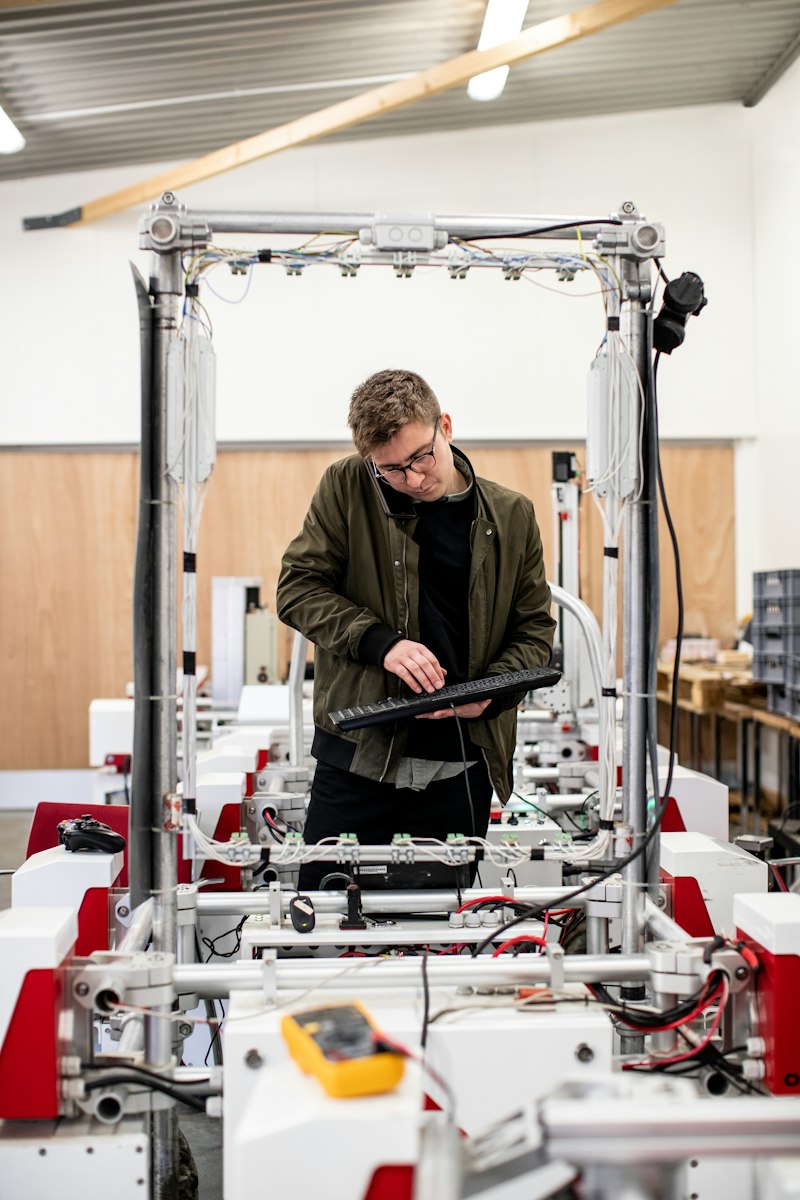
Precision Control
Applying advanced control theory and process dynamics to stabilize, direct, and optimize system behaviors under uncertainty.
Core Competencies
Systems Biology
- Genome-Scale Metabolic Modeling
- Flux Balance Analysis
- Multi-omics Integration
- Microbial Community Dynamics
Advanced Process Control
- Model Predictive Control
- Process Dynamics
- PID Tuning & Optimization
- Industrial Automation
Scientific AI
- Physics-Informed Neural Networks
- Machine Learning for Biomarkers
- Predictive Modeling
- Time-Series Forecasting
Software & Systems
- Python, MATLAB, C++
- High-Performance Computing
- Agile Software Development
- Cloud Infrastructure
Research Highlights
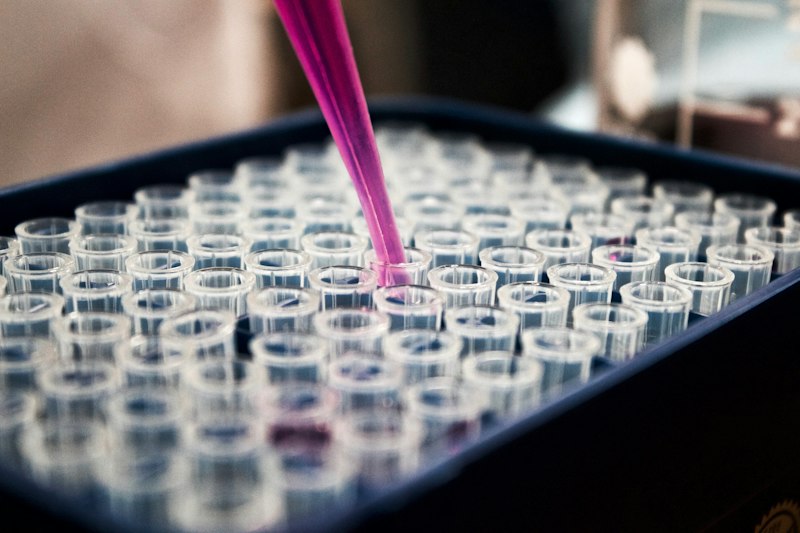
CatRange
A novel framework for evaluating continuous metabolic states in dynamic environments using advanced sampling techniques.
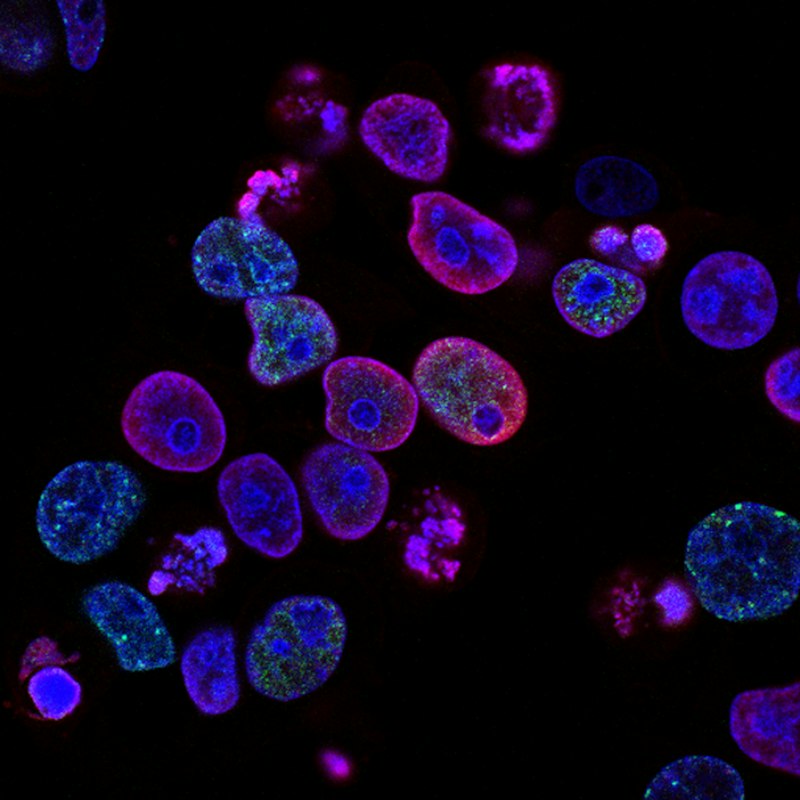
r-DMFA
Regularized Dynamic Metabolic Flux Analysis for inferring dynamic metabolic profiles from sparse time-series measurements.
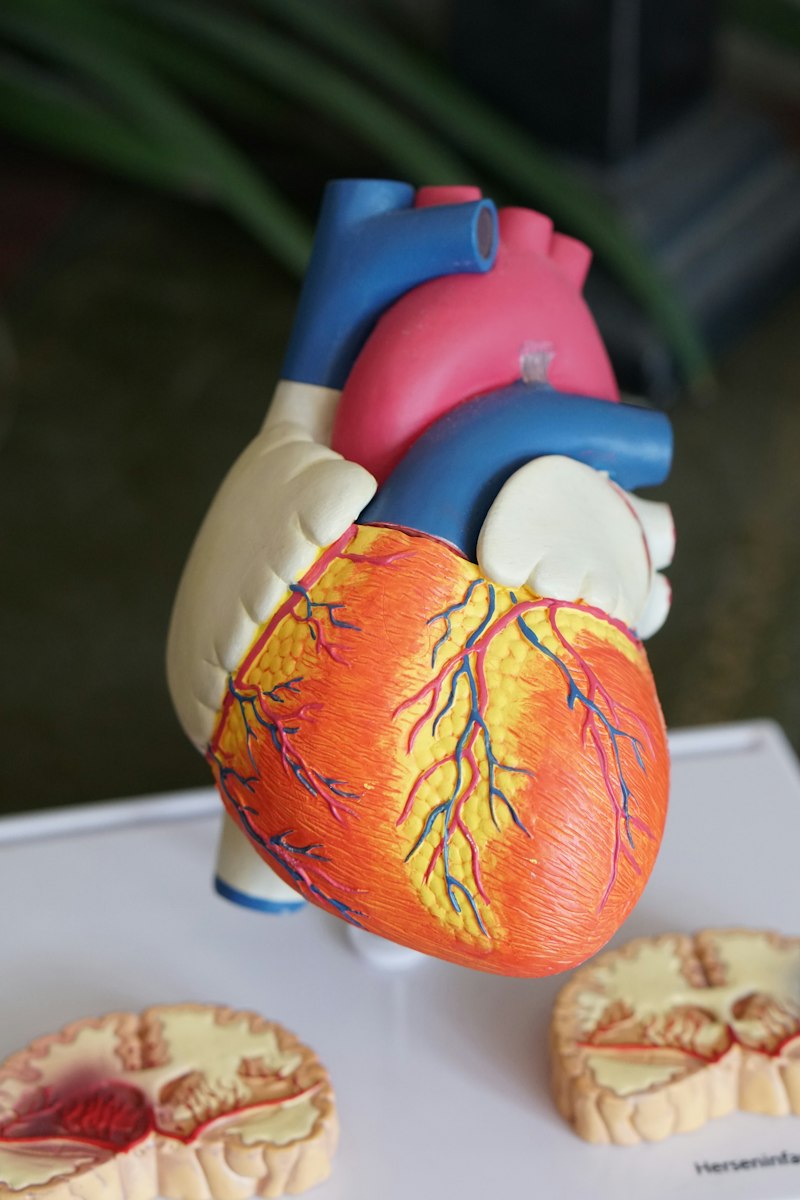
CorePredX
Machine learning integration for predictive modeling of core microbiome functions across environmental gradients.
Experience
See Full Experience →Graduate Research Assistant
2022 — PresentUniversity of Nebraska–Lincoln | Lincoln, NE, USA
Scientific Software Developer
2020 — 2023TecGroup GmbH | Germany (Remote)
Process & Compliance Lead
2020 — 2021Savannah Food Hub | Nigeria
Research Assistant
2020 — 2021Kyungpook National University | South Korea
Life, Leadership & Global Moments
View Full Gallery →

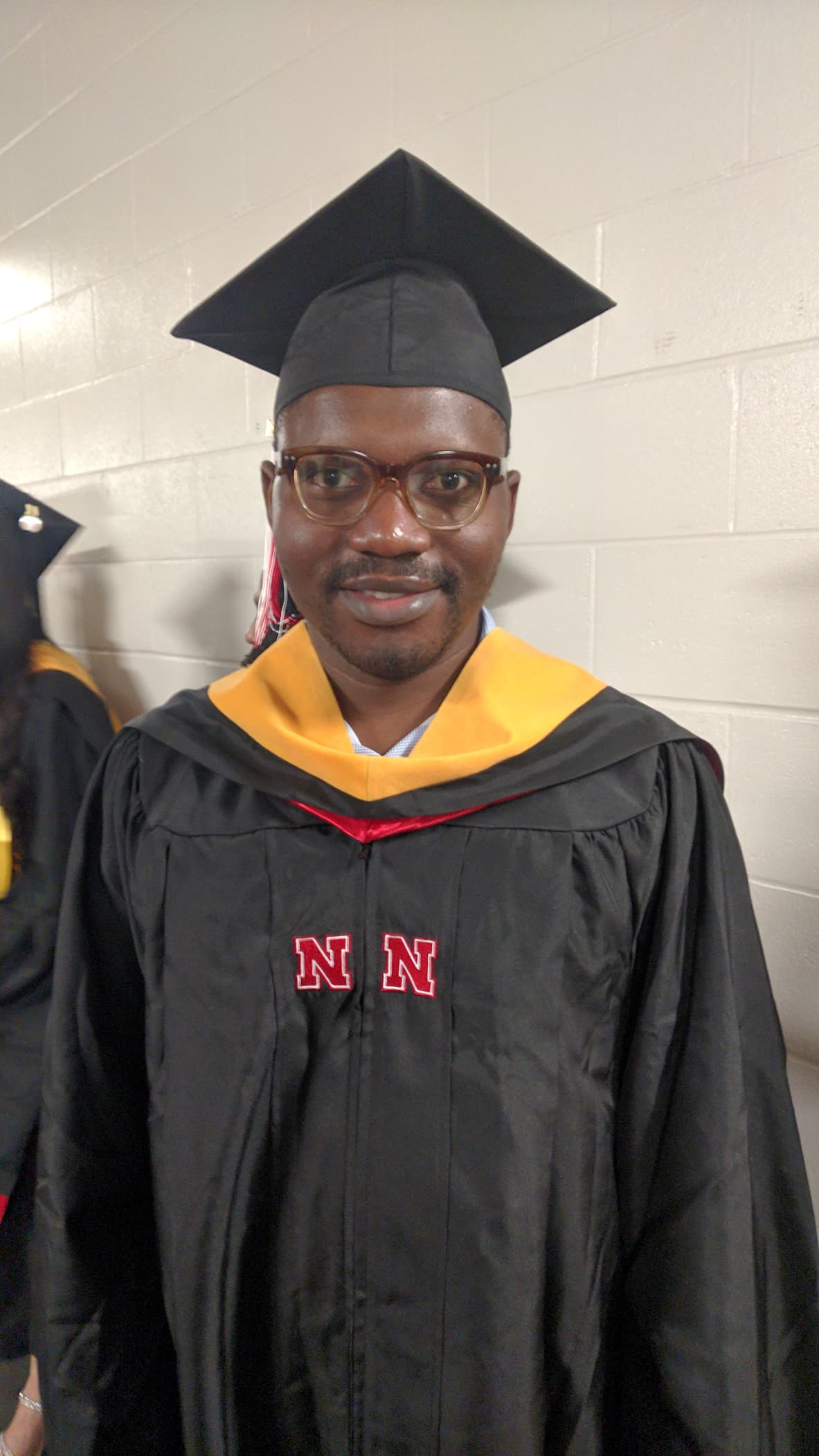



Ph.D. in Chemical Engineering · Expected May 2027